Lip blush is a semi-permanent makeup technique aimed at enhancing the color and shape of your lips. While the procedure can yield stunning results, mistakes can happen, leading to unsatisfactory outcomes. In this article, we’ll highlight how to address common lip blush errors and provide tips to prevent these issues, ensuring your lip blush experience is both beautiful and rewarding.
Understanding Common Lip Blush Mistakes
Before diving into solutions, it’s vital to recognize the common mistakes associated with lip blush. Many individuals experience uneven color distribution, overly dark shades, or a shape that doesn’t match their natural lip contour. These issues often stem from improper technique, unqualified practitioners, or inadequate aftercare. Moreover, not doing sufficient research before the procedure can lead to dissatisfaction. Understanding these errors is the first step towards achieving that perfect pout, so let’s explore how to rectify and avoid them.
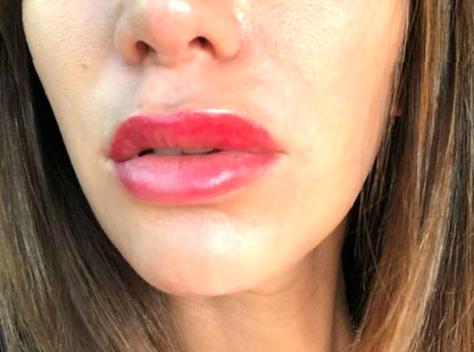
How to Fix Uneven Color Distribution
Uneven color distribution is one of the most frequent complaints after a lip blush procedure. If you’ve noticed blotchy areas with differing color intensity, the first step is to consult with your artist for a touch-up. A skilled professional can assess the situation and make adjustments during the follow-up session. If a touch-up isn’t an immediate option, you can use lip liners or satin lip glosses to blend the color until you can get additional work done. In some cases, reviews indicate that the use of makeup removers can help lighten areas that are too dark, giving you a chance to balance the overall effect. Finally, proper hydration and aftercare can help the pigment settle more evenly in your skin, preventing further unevenness.
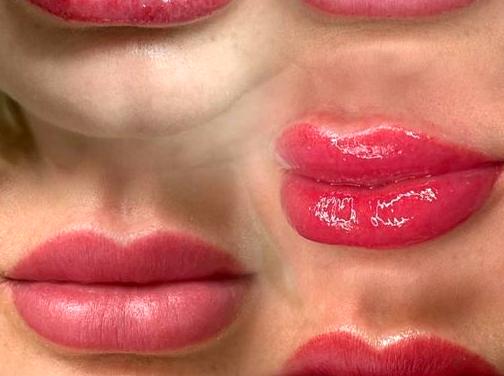
Avoiding Overly Dark Shades
Many individuals leave the clinic frustrated with lips that appear darker than expected. This often arises from miscommunication between the client and the artist during the initial consultation. It’s crucial to discuss your desired lip color clearly and view a range of shade swatches beforehand. If you have sensitive lips or skin, voice your concerns regarding how certain pigments may look post-healing. To avoid the problem of overly dark shades altogether, consider starting with a lighter tint. Remember, pigment tends to heal deeper than it appears initially, so choosing a soft shade can be a safer option. Additionally, allowing for a gradual build-up of color during the touch-up stage can lead to results you’ll love.
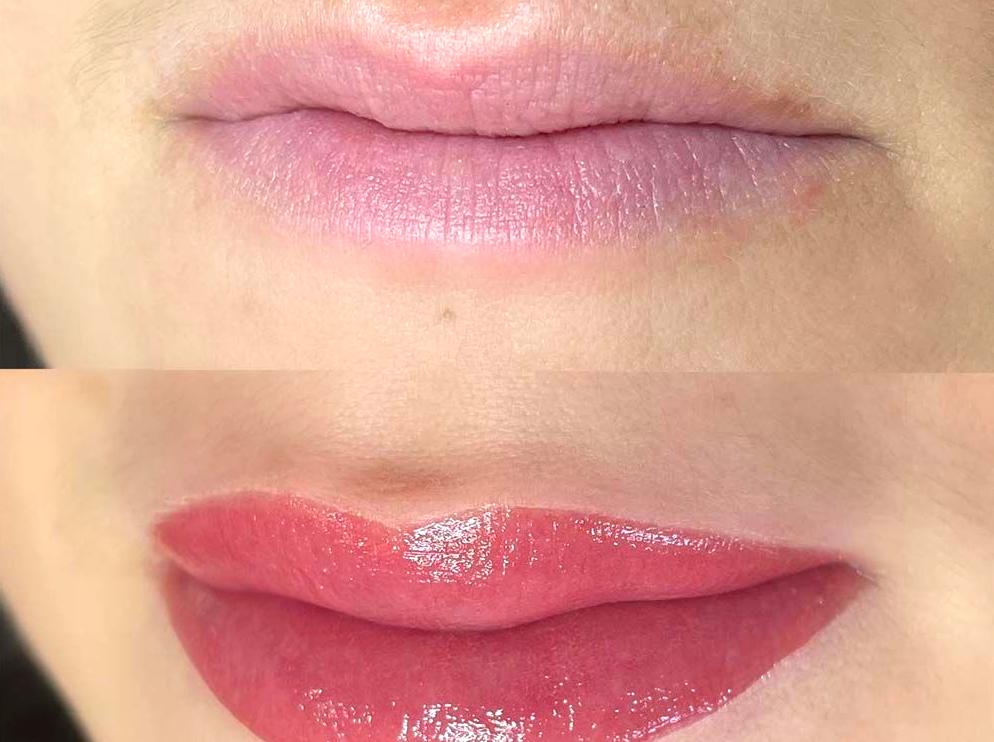
The Importance of Choosing a Qualified Practitioner
Choosing a qualified and experienced practitioner is vital in preventing lip blush mistakes. Not all practitioners have the same skill level or experience, which means results can vary significantly. Before committing, take the time to research potential artists. Look for reviews and before-and-after photos to gauge their work quality. Once you’ve narrowed down your options, don’t hesitate to schedule a consultation, where you can ask questions about their technique and products used. Understanding their approach to safety and sanitation is equally important in minimizing potential complications. Moreover, ensuring that the artist is certified specifically for lip blush will further boost your confidence in their abilities.
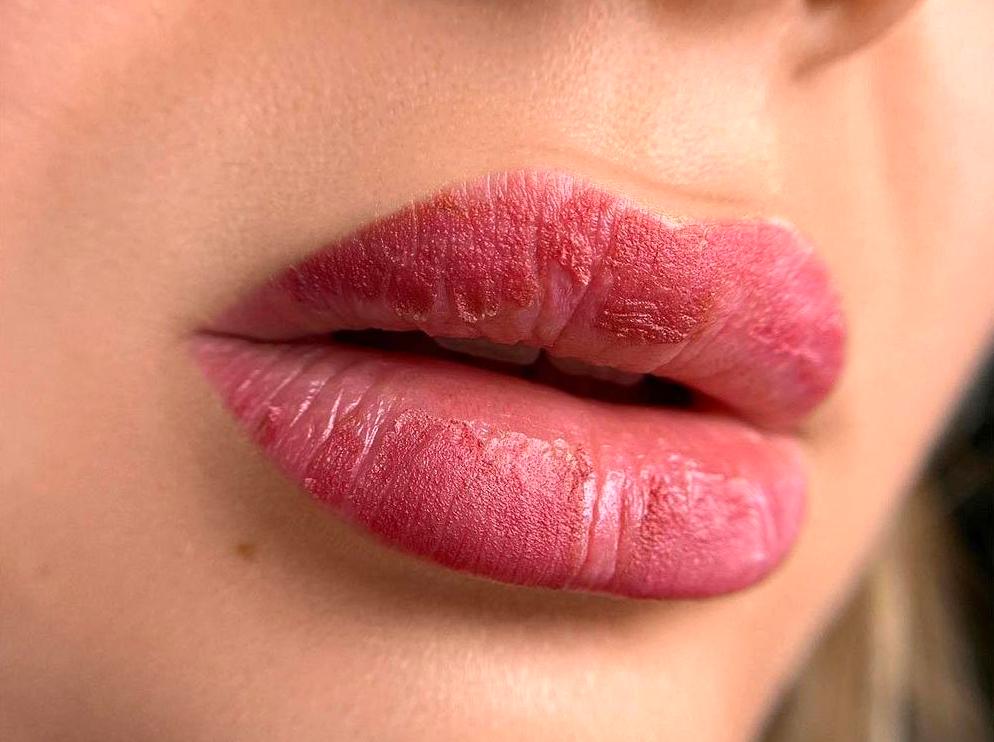
Implementing Proper Aftercare
Proper aftercare plays a central role in avoiding blunders that can affect your lip blush. Neglecting aftercare can lead to fading, uneven pigmentation, or infection. Immediately following the procedure, it’s essential to avoid exposure to water, steam, and excessive moisture, which can interfere with the healing process. Keep your lips moisturized without applying heavy products, and avoid direct sun exposure, which can cause unwanted fading or discoloration. A list of essential aftercare steps includes:
- Keep lips clean and dry for the first few days.
- Avoid licking your lips, as saliva can irritate and disrupt healing.
- Use a lip balm recommended by your practitioner.
- Stay hydrated to promote healing.
- Do not pick at scabs or peeling skin, as this can interfere with pigment settling.
Following these aftercare steps diligently will enhance the longevity of your lip blush and ensure that you enjoy beautiful results.
Conclusion
In summation, while lip blush can be a transformative enhancement, being proactive in recognizing, fixing, and avoiding mistakes is essential for achieving the ideal look. From finding a certified practitioner to diligently following aftercare guidelines, every step influences the final result. If mistakes do occur, addressing them promptly with the help of your artist is crucial. With the right knowledge and care, you can revel in the beauty of your lip blush while reducing the likelihood of errors.
FAQs
The results of lip blush typically last between one to three years, depending on skin type, lifestyle, and aftercare practices.
2. Can I choose any color for my lip blush?
While many colors are available, the final shade can appear different once healed. It’s advisable to consult with your technician for the best options.
3. What should I do if my lips are still uneven after healing?
Contact your practitioner for a follow-up touch-up appointment to assess and correct any unevenness.
4. Is the lip blush procedure painful?
Most clients report minimal discomfort, especially if a topical numbing agent is used beforehand to ease any pain.
5. Can I prevent lip blush fading?
Yes, avoiding sun exposure, using lip products with SPF, and following your professional aftercare instructions can help maintain color longevity.